
Water Heater Repair in Alpharetta, GA
Anode rod, T&P valve, thermostat, sediment flush, pilot light, gas valve. Most water heater failures in Alpharetta are repairable and a lot cheaper than replacement when caught at the right time. We tell you which is which.
A failing water heater rarely fails all at once. The patterns we see, lukewarm water that won't get hotter, rumbling noises from the tank, rusty water from the hot tap, a pilot light that won't stay lit, all have known causes and known repair paths. The question that matters is whether your specific unit makes economic sense to repair or whether you've crossed into replacement territory. We're honest about that line.
- Licensed & insured
- Upfront pricing
- Local Alpharetta crew
- Free estimates
Common water heater problems and what's actually failing
No hot water at all. Gas heaters: pilot light out, thermocouple failed, gas control valve failed, gas supply interrupted. Electric heaters: tripped breaker, failed upper heating element, failed upper thermostat. Diagnostic order goes from cheap-and-likely to expensive-and-rare.
Not enough hot water
Sediment buildup at the bottom of the tank (very common in Alpharetta, our water hardness contributes), a failed dip tube allowing cold water to mix into the hot outlet, undersized tank for current household demand, or a partially-failed lower heating element on electric units.
Rumbling or popping noises
Sediment at the bottom of the tank traps water under it. When the burner fires (gas) or the lower element heats (electric), trapped water flash-vaporizes and breaks through the sediment layer, making a rumble. The sediment itself is the problem. The noise is the symptom. A sediment flush fixes it if caught early. Late-stage sediment buildup eventually pits the tank lining and ends the unit's life.
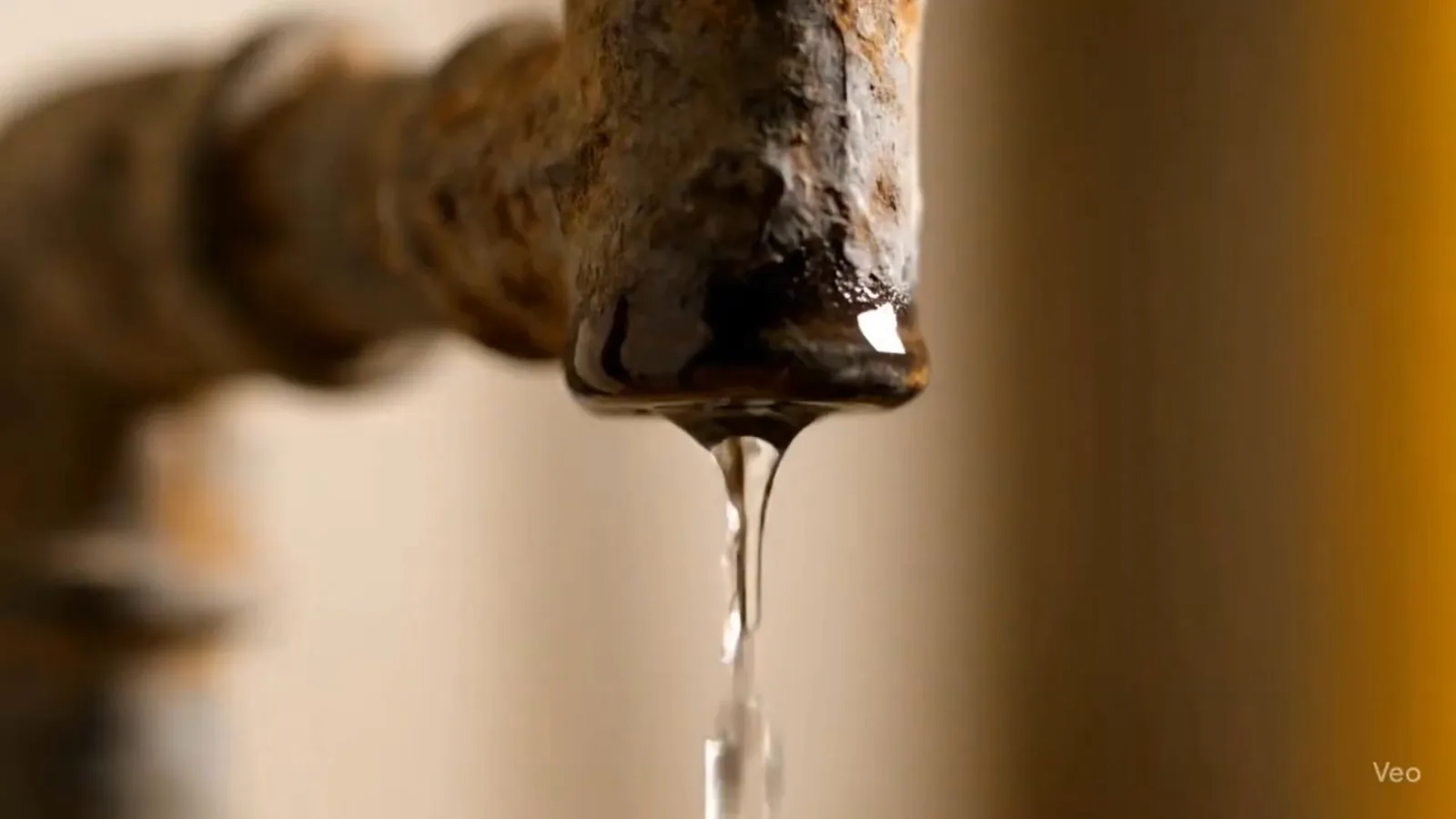
Rusty or discolored hot water
Usually the anode rod has been fully consumed and the steel tank is starting to corrode. Anode rods are sacrificial, they corrode in place of the tank, and replacing them every five to seven years prevents this. Most homeowners have never replaced theirs.
T&P relief valve dripping
The temperature and pressure relief valve is a safety device. If it's dripping, either pressure or temperature is too high (real problem, needs diagnosis) or the valve itself has failed and needs replacement (also real, also needs prompt repair).
Leaking tank
If the tank body itself is leaking, water pooling under the unit and continuing to refill, repair is not an option. The tank has to come out and a new unit go in.
How we diagnose, and how we decide repair vs replace
Diagnostics start with three questions
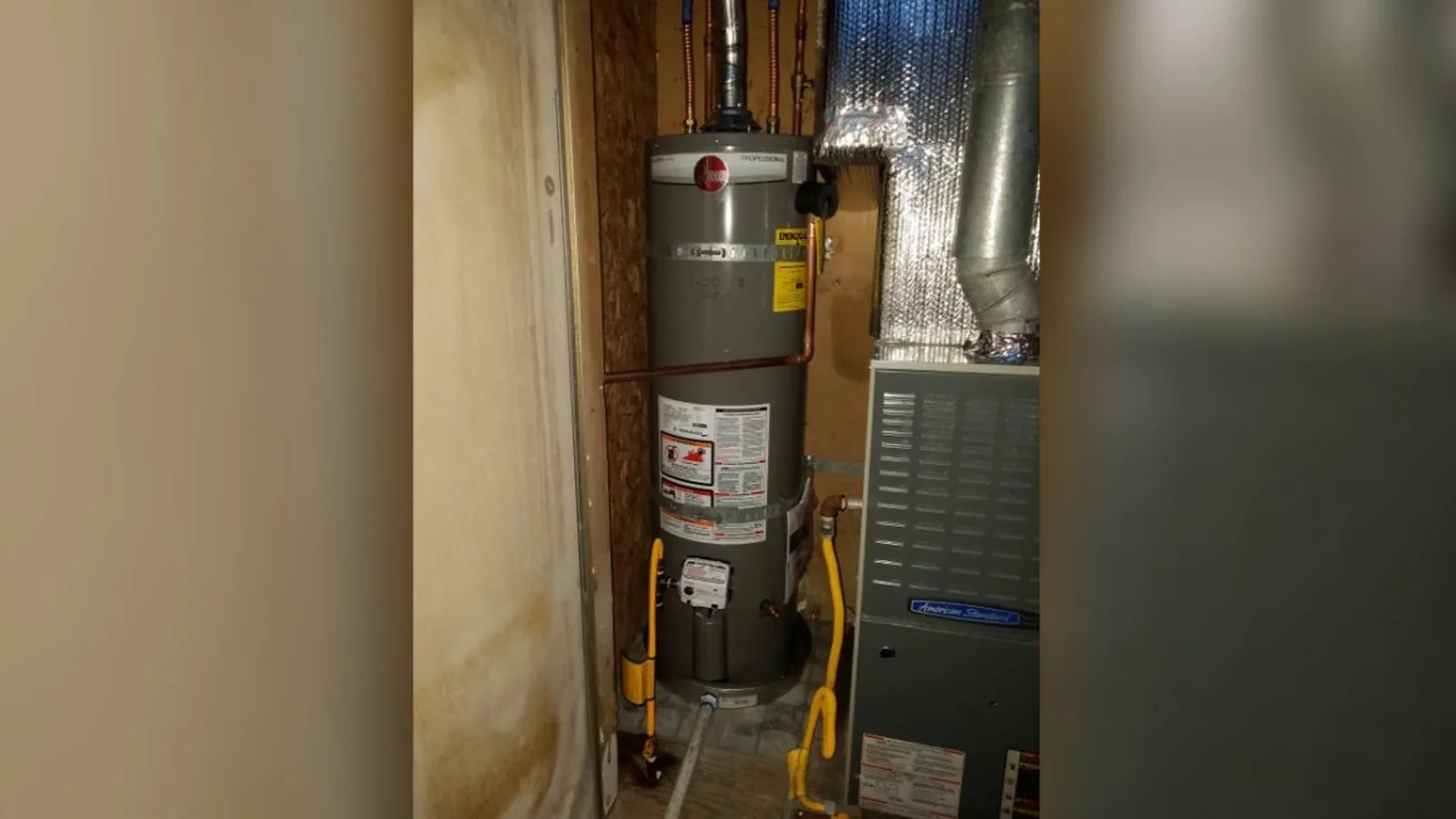
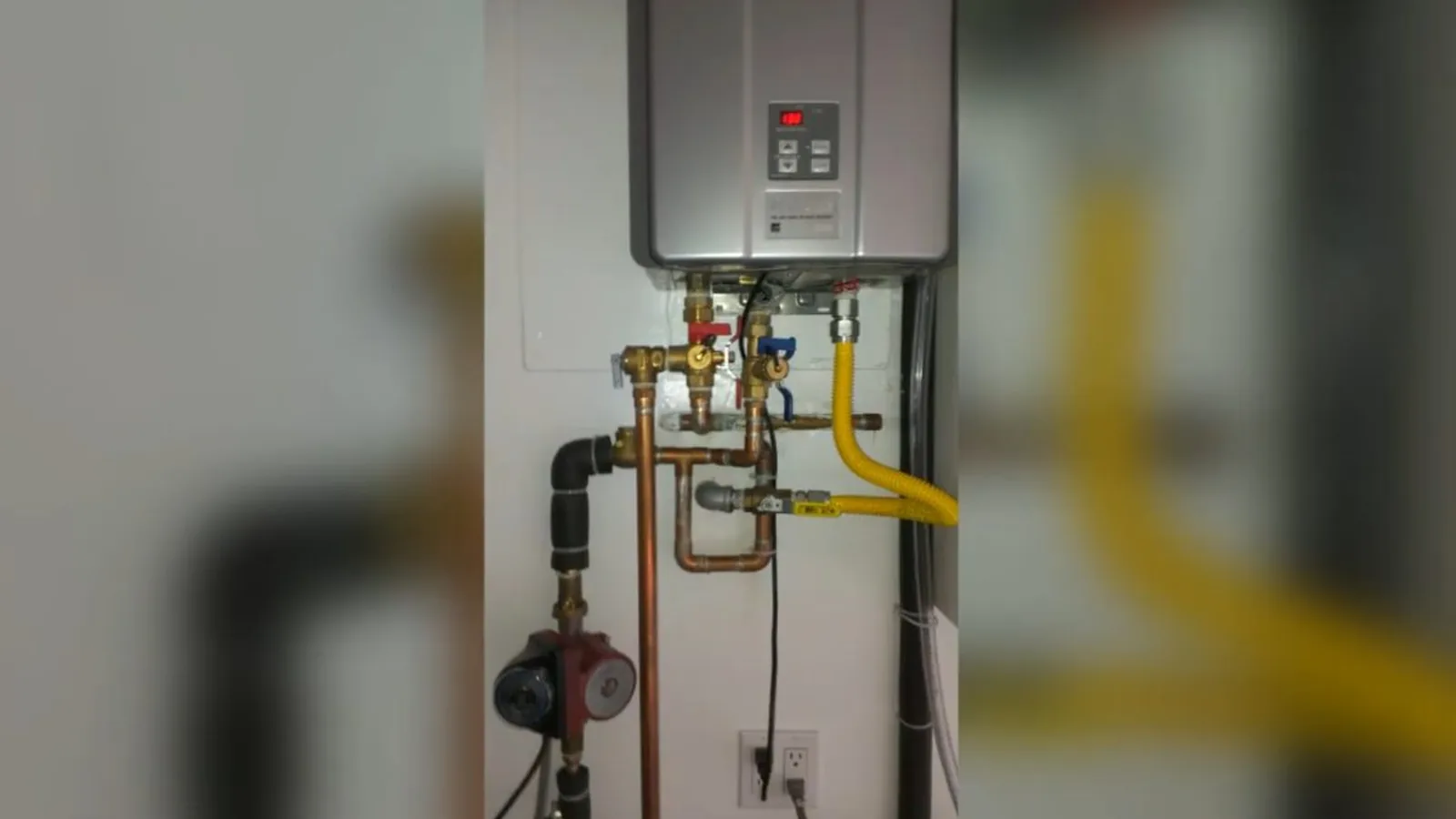
How old is the unit? What's the symptom? When did it start? Age alone tells us a lot. Gas tank heaters in Alpharetta usually last 8–12 years; electric tank heaters last 10–14 years. Tankless units last 15–20 years. Tankless water heaters are a separate category with their own service patterns.
For a unit under 8 years old, we usually diagnose and repair, the parts cost less than replacement and the remaining service life justifies the work. For a unit over 12 years old, we have a frank conversation about whether to spend $300 on a repair that buys you maybe a year or to put that money toward a new unit. Between 8 and 12 years it depends on the specific failure: a thermocouple replacement is worth doing at any age; a gas valve replacement on an 11-year-old unit usually isn't.
On gas units the diagnostic sequence checks pilot/thermocouple, then gas valve, then thermostat. On electric units the sequence checks breaker, then upper element/thermostat, then lower element/thermostat. The check itself takes 10 to 20 minutes; you'll have a fixed repair quote before any part is replaced.
Common repairs and what they involve
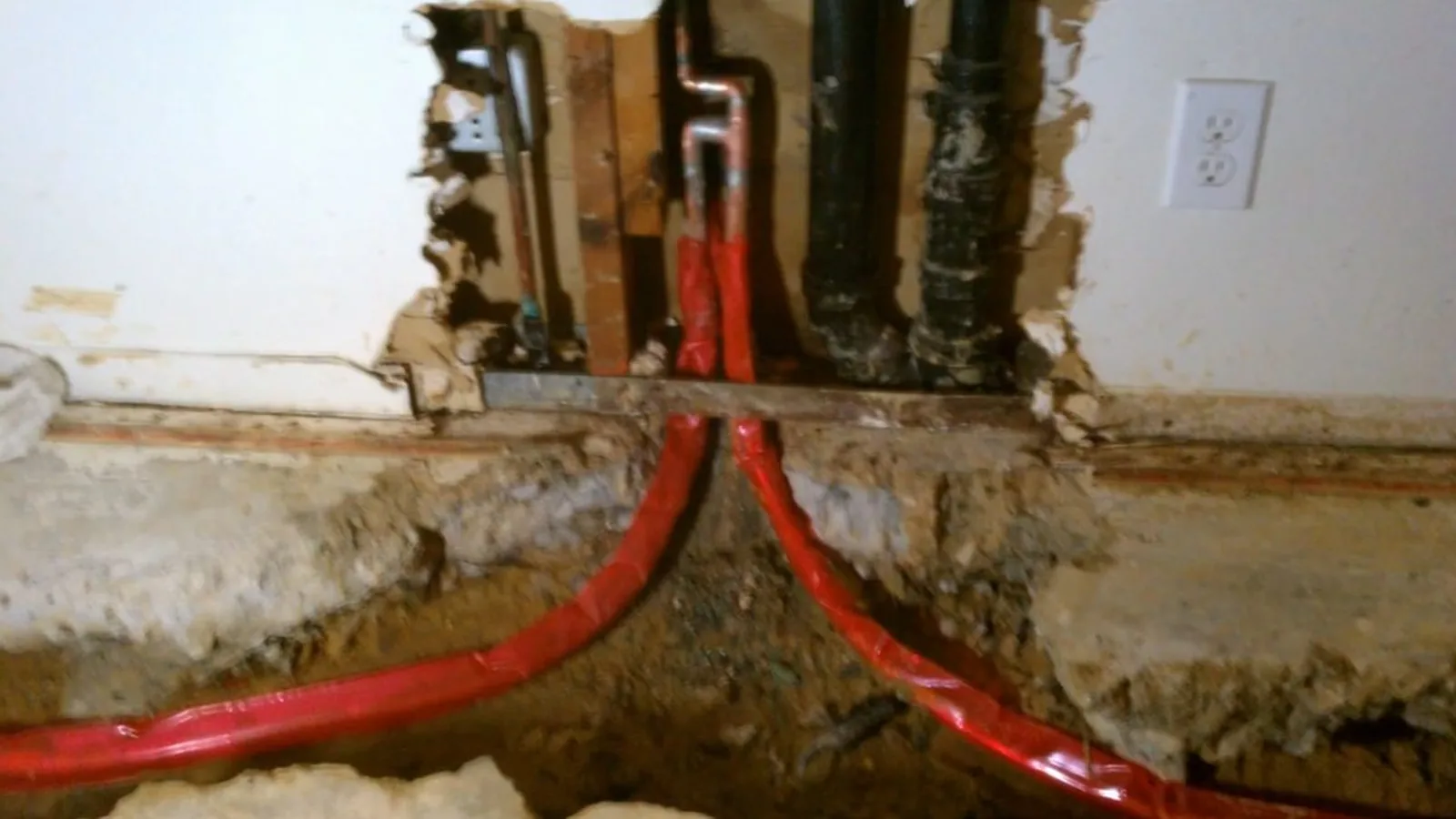
Anode rod replacement
Drain a few gallons, remove the old rod with a long impact wrench, install a new rod, refill, test. 45 minutes for accessible units; longer for tucked-in installations where the rod can't be pulled straight out. Best done every 5–7 years on Alpharetta's moderately hard water.
T&P relief valve replacement
Drain the tank to below the valve, remove the valve, install a new one, refill, pressure-test the discharge. About 30 minutes. Always include a discharge tube to within 6 inches of the floor.
Sediment flush
Connect a hose to the drain valve, close the cold inlet, open the T&P, drain the tank with a hose run to outside or a floor drain. Optional: refill partially and drain again until the discharge runs clear. Best done annually on hard-water markets; ours qualifies as moderate-to-hard.
Pilot light / thermocouple
Clean the pilot tube, test thermocouple voltage, replace the thermocouple if it's failed. A failed thermocouple is the single most common cause of pilot-out gas heater calls. 30–45 minutes including testing the new install.
Heating element replacement (electric). Turn off the breaker, drain, remove the access cover, swap the element, refill before re-energizing (this matters, energizing a dry element burns it out instantly). 60–90 minutes per element.
Thermostat replacement
Less common than element failure but cheaper and easier when it is the issue. 45 minutes.
Dip tube replacement
Cold water enters through a dip tube that runs to near the bottom of the tank. When dip tubes fail, cold water mixes into the hot outlet at the top. Replace the dip tube, problem solved. Common on units in the 8–10 year window.
Why hard water shortens water heater life in Alpharetta
Alpharetta's municipal water is treated from the Chattahoochee River source and runs moderately hard. The dissolved minerals (mostly calcium and some magnesium) precipitate out of solution when the water is heated, settling as sediment at the bottom of your water heater tank. Over years this accumulates into a hard layer that traps water beneath it.
That trapped water is what makes the rumbling noise during burner cycles. More importantly, the sediment layer reduces heat transfer efficiency (you pay to heat water that's insulated from the burner) and accelerates pitting of the tank's glass lining. This is the layer that prevents the steel tank from corroding.
Two things meaningfully extend water heater life in this area: annual sediment flushes and anode rod replacement every five to seven years. Both are cheap relative to replacement. Most homeowners do neither. This is why we see a lot of premature water heater failures here. If you have a water softener, the problem reduces a lot; if you don't, regular flushing is the next best thing.
Pricing for Alpharetta homeowners
Water heater repair pricing is structured around part cost + labor. Most common repairs (anode rod, thermostat, T&P valve, sediment flush) are predictable. When the tank itself has failed (corrosion, leaking from the bottom), replacement is the right answer.
| Typical scope | Price range | Notes |
|---|---|---|
| Diagnostic + minor repair (thermostat, T&P valve, anode rod) | $195–$425 | 1–2 hours on-site |
| Sediment flush + element/thermostat service | $285–$525 | extends tank life if not failing |
| Major repair (gas valve, control board, dip tube) | $425–$850 | parts cost varies by brand |
| Tank replacement (when repair isn't economical) | $1,450–$2,950 | code-compliant install, see install page |
What moves your project within the range:
- Tank age. Tanks 10+ years old often warrant replacement instead of repair. We'll be straight about which way the math points.
- Brand and parts availability. Some manufacturer parts are special-order.
- Type (gas vs. electric vs. tankless). Tankless service is a separate scope class.
- Whether the repair triggers code updates (new T&P discharge routing, expansion tank, sediment trap).
These are call-to-talk ranges based on typical Alpharetta-market scope. They are not a quote. Every job we run starts with a fixed price quoted before any work begins.
Live dispatcher · 24/7 · Licensed & insured
What customers usually ask
How old should my water heater be before I think about replacement?
Gas tank: 8–12 years. Electric tank: 10–14 years. Tankless: 15–20 years. These are typical ranges in Alpharetta given our water hardness. Past those ranges, repair quotes start to lose to replacement quotes on a cost-per-remaining-year basis.
Why does my water heater make rumbling noises?
Almost always sediment buildup at the bottom of the tank. Trapped water under the sediment flash-vaporizes when the burner fires. A sediment flush fixes the noise if caught early. If you've been hearing it for years, the sediment layer is likely thick enough that some lining damage is already done, but flushing still helps extend service life.
My pilot light keeps going out. Repair or replace?
Almost always a repair. The most common cause is a failed thermocouple, a $20 part that any plumber can swap in 30 minutes. Second most common is a clogged pilot tube. Third most common, on older units, is a failing gas valve. This is also a repair though a bigger one.
Should I drain my water heater every year?
Yes, especially on Alpharetta's moderately hard water. An annual sediment flush is a 15–20 minute job for a homeowner who's comfortable with it; if you're not, we do it as a maintenance service. Either way, doing nothing for 10 years guarantees you'll see the consequences of sediment buildup.
What does an anode rod do, and do I really need to replace it?
The anode rod is a sacrificial piece of metal (usually magnesium or aluminum) suspended inside the tank. It corrodes in place of the steel tank, protecting the tank from the inside. Once the anode rod is fully consumed (usually 5–7 years), the tank itself starts to corrode. Replacing the anode rod is the single highest-leverage maintenance act you can do for water heater life.